




In a competitive market, relying solely on organic social media reach is no longer a viable growth strategy. To connect with ideal customers and drive tangible results, UK businesses must adopt a sophisticated advertising approach. This guide is designed to move beyond the surface-level discussion and provide a detailed roadmap for small and medium-sized enterprises (SMEs) and ecommerce brands. We will explore the ten most crucial benefits of social media ads, demonstrating how they function as a powerful tool for unlocking precise targeting, cost-efficiency, and a measurable return on investment (ROI).
For marketing managers, busy brand owners, and entrepreneurs, understanding these advantages is the first step in transforming your digital marketing from a simple presence into a predictable revenue-generating engine. This article breaks down exactly how platforms like Meta, TikTok, and LinkedIn offer a direct path to achieving your core business objectives. You will gain actionable insights into each benefit, from advanced audience segmentation and retargeting to direct sales conversion and performance analytics. By the end, you’ll have a clear framework for implementing a social media advertising strategy that outperforms the competition and fuels scalable growth.
1. Benefits of Social Media Ads: Precise Targeting and Audience Segmentation
One of the most powerful benefits of social media ads is the unparalleled ability to reach your ideal customer with surgical precision. Unlike traditional advertising that casts a wide, often inefficient net, social media platforms like Meta (Facebook and Instagram) and LinkedIn use vast amounts of user-provided data to connect your message with the people most likely to convert. This means you can move beyond basic demographics and target users based on their specific interests, online behaviours, life events, and even past purchase history.
For UK SMEs, this capability transforms ad spend from a speculative expense into a strategic investment. By focusing your budget exclusively on relevant audiences, you minimise waste and significantly increase the potential for a positive return.
How Precise Targeting Works in Practice
Imagine you are a UK-based e-commerce brand selling sustainable yoga mats. You could create an ad campaign targeting:
- Demographics: Women aged 25-45 living in major UK cities like London, Manchester, and Bristol.
- Interests: Users who have shown an interest in yoga, mindfulness, sustainability, and eco-friendly products.
- Behaviours: Individuals who have recently made online purchases or engaged with health and wellness content.
This level of detail ensures your ad is seen not just by a random sample of the population, but by a highly curated group of potential customers. Another advanced technique is creating Lookalike Audiences, where platforms analyse the characteristics of your best existing customers and find new users who share similar traits, effectively automating your prospecting.
Key Insight: Precision targeting isn’t just about finding customers; it’s about crafting a message that resonates deeply because you already understand who you’re talking to. The more relevant the ad, the higher the engagement and conversion rate.
Actionable Tips for UK Businesses
- Start with Personas: Before launching a campaign, build a detailed customer persona. Use platform tools like Meta’s Audience Insights to validate your assumptions about your target market’s interests and online habits.
- Test and Refine: Don’t rely on a single audience. Create multiple ad sets targeting different segments (e.g., one for interests, one for a Lookalike Audience) to see which performs best, then reallocate your budget accordingly.
- Leverage Retargeting: Use the Meta Pixel to create custom audiences of users who have visited your website but didn’t make a purchase. Serving them a targeted follow-up ad can significantly boost conversions. To dive deeper into the mechanics, you can explore this guide on what is audience targeting.
2. Cost-Effective Marketing with Flexible Budgeting
Another significant benefit of social media ads is the incredible cost-efficiency and budget flexibility they offer. Unlike traditional channels such as print or television that demand substantial upfront investment, social platforms allow businesses to start advertising with just a few pounds a day. This low barrier to entry democratises marketing, enabling UK SMEs to compete with larger brands on a more level playing field.
The model is built on paying for performance. Whether it’s for clicks (CPC), impressions (CPM), or conversions, you only spend when your ad achieves a specific objective. This control ensures your marketing budget is used effectively, providing a clear and direct path to measuring return on investment.
How Flexible Budgeting Works in Practice (Benefits of Social Media Ads)
Imagine you are a local service business in the UK, like a plumber or electrician, wanting to generate more leads. You could run a campaign with a modest budget to test the waters:
- Initial Test: Start with a £10 daily budget targeting homeowners within a 15-mile radius.
- Performance Monitoring: Track the cost-per-lead and engagement rates over the first week.
- Scaling Up: If the campaign proves successful, you can confidently increase the daily spend to capture more leads, knowing the strategy is effective.
This scalability is perfect for dropshipping entrepreneurs testing new products or a Shopify store promoting a sale. You can allocate minimal spend to validate an idea and only invest more heavily once you have data-backed proof of its potential.
Key Insight: Social media advertising turns your marketing budget into a controllable dial, not an on/off switch. You can turn spending up or down in real-time based on performance, eliminating the financial risks associated with traditional advertising.
Actionable Tips for UK Businesses
- Set Daily Budgets: Start with daily budgets instead of lifetime budgets to maintain consistent ad delivery and prevent accidental overspending while you learn.
- Monitor Key Metrics: Focus on your cost-per-result. Whether it’s a click, a lead, or a sale, knowing this figure is crucial for determining campaign profitability.
- Optimise and Reallocate: Continuously move your budget towards the best-performing ad sets and audiences. Don’t be afraid to turn off ads that aren’t delivering results.
- Use Automated Bidding: For beginners, bidding strategies like ‘lowest cost’ can help platforms automatically find the most affordable results, although you can get more advanced with a tool like an AdWords budget calculator to plan spend.
3. Benefits of Social Media Ads: High Engagement and Viral Potential
Unlike one-way traditional advertising, social media ads are designed for interaction. This creates an environment where your paid content can spark conversations, earn organic reach through shares, and even achieve viral status. This is one of the key benefits of social media ads, as it allows a paid campaign to deliver value far beyond its initial budget, building a community and amplifying your message exponentially.
For UK businesses, this means an advertisement can become a shared cultural moment. When content resonates, users become advocates, spreading your brand’s message to their own networks for free. This organic amplification drastically lowers your effective cost-per-impression and builds powerful social proof.
How Engagement Works in Practice
Think of a small UK-based coffee roaster. They could run a video ad showcasing a unique brewing technique. Instead of just showing the product, the ad encourages viewers to “Share your favourite coffee-making ritual in the comments below!”
- Initial Engagement: Users comment, like, and share the video.
- Algorithmic Boost: Social platforms see this high engagement as a signal of quality content, showing it to more users organically.
- Viral Loop: As more people see and engage with the ad, its reach expands far beyond the initial paid audience, creating a self-sustaining cycle of visibility.
This turns a simple ad into a community-building exercise. Iconic campaigns like Dollar Shave Club’s launch video achieved millions of views primarily through this mechanism, transforming a small startup into a major market player almost overnight.
Key Insight: The goal isn’t just to get clicks; it’s to create content so valuable or entertaining that users feel compelled to share it. Viral potential turns your audience into your most effective marketing channel.
Actionable Tips for UK Businesses
- Create Shareable Content: Focus on ads that evoke emotion, offer genuine value (like a useful tip), or are highly entertaining. Humour and authenticity often perform exceptionally well.
- Encourage Participation: Use clear calls-to-action that invite interaction. Ask questions, run polls, or create contests that require users to comment or share.
- Leverage Platform-Native Formats: Use trending audio on Instagram Reels or TikTok, create interactive polls in Stories, and use hashtags to join larger conversations. This makes your ad feel less like an interruption and more like native content.
4. Detailed Analytics and Performance Tracking
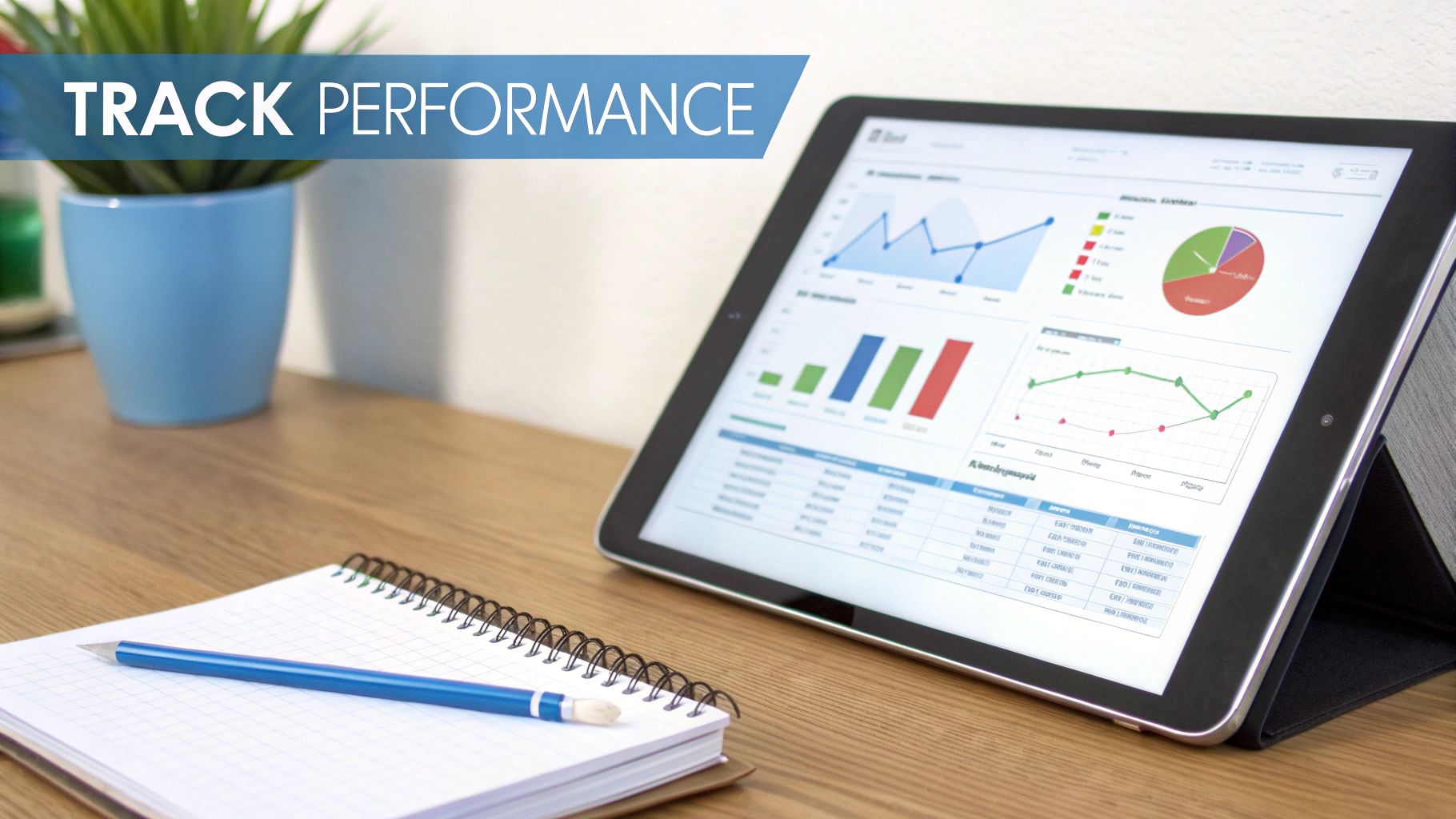
One of the most significant benefits of social media ads is the ability to move beyond guesswork and make data-driven decisions. Unlike traditional advertising where ROI can be ambiguous, social media platforms provide comprehensive analytics dashboards that reveal exactly how your campaigns are performing in real time. This allows you to track everything from high-level metrics like impressions and reach to granular conversion data, such as cost per lead or return on ad spend (ROAS).
For UK businesses, this constant stream of performance data is invaluable. It empowers you to understand what resonates with your audience, identify underperforming elements, and continuously optimise your strategy to maximise your budget and achieve your commercial goals.
How Performance Tracking Works in Practice (Benefits of Social Media Ads)
Imagine you are a UK-based SaaS company running a campaign to generate qualified leads. Your social media ads dashboard would allow you to monitor:
- Cost Per Click (CPC): How much you are paying each time someone clicks your ad.
- Click-Through Rate (CTR): The percentage of people who see your ad and click on it.
- Conversion Rate: The percentage of users who sign up for a demo after clicking the ad.
- Cost Per Acquisition (CPA): The total cost to acquire one new qualified lead.
If you notice a high CTR but a low conversion rate, it signals that while your ad creative is engaging, your landing page may need improvement. This insight allows you to make targeted changes to improve overall campaign effectiveness.
Key Insight: Social media analytics transform your marketing from an art into a science. Every click, share, and conversion provides valuable data, enabling you to refine your approach and prove the direct impact of your advertising on business growth.
Actionable Tips for UK Businesses
- Set Up Conversion Tracking First: Before spending a penny, ensure your Meta Pixel or LinkedIn Insight Tag is correctly installed to track website actions like purchases or form submissions.
- Use UTM Parameters: Add UTM codes to your ad URLs to precisely track how users from different campaigns and platforms behave on your website within tools like Google Analytics.
- Review and Adjust Weekly: Dedicate time each week to review your key performance indicators (KPIs). Pause ads with high costs and low returns, and reallocate budget to your top-performing creative and audiences.
- Understand the Full Journey: To truly grasp campaign impact, you must effectively measure advertising effectiveness by looking beyond the last click and considering the entire customer path.
5. Benefits of Social Media Ads: Rapid Testing and Optimisation Capability
One of the most dynamic benefits of social media ads is the ability to test, learn, and adapt with incredible speed. Unlike traditional advertising campaigns that are often set in stone for weeks or months, social platforms provide a live feedback loop. This allows you to run multiple variations of your ads simultaneously to see what truly connects with your audience.
For UK SMEs, this means you can de-risk your marketing spend by identifying winning formulas quickly. Instead of guessing which creative or headline will work best, you can use real-time data to make informed decisions, ensuring your budget is allocated to the highest-performing assets for maximum campaign efficiency.
How Rapid Testing Works in Practice
Imagine a UK-based SaaS company wants to promote a new project management tool. They could simultaneously test different ad campaigns to discover the most effective approach:
- Creative Testing: Run the same ad copy but with different visuals, such as a video tutorial, a static image of the dashboard, and a customer testimonial graphic.
- Messaging Angles: Test different value propositions in the headline, like “Save 10 Hours Per Week” versus “Collaborate Seamlessly with Your Team”.
- Audience Hypotheses: Target the same ad creative to different audiences, such as project managers in the tech industry and small business owners in the creative sector.
By analysing performance metrics like click-through rate and cost per lead after just a few days, the company can quickly pause underperforming variations and scale the winners. This iterative process of continuous improvement makes your advertising progressively more effective over time.
Key Insight: Social media advertising turns marketing into a science. Rapid testing allows you to replace assumptions with data, transforming your campaigns from a static broadcast into an evolving, optimised system.
Actionable Tips for UK Businesses
- Isolate Variables: To get clear results, test only one element at a time. For instance, keep the audience and copy the same while testing three different images to determine which visual performs best.
- Use Platform Tools: Leverage built-in A/B testing features, like Meta’s Advantage+ creative tests, which automatically distribute your budget to the best-performing variations.
- Document Everything: Maintain a simple spreadsheet to track your tests, hypotheses, results, and key learnings. This creates a valuable knowledge base for future campaigns.
6. Increased Brand Awareness and Visibility
One of the foundational benefits of social media ads is their power to rapidly expand your brand’s footprint. These platforms allow you to place your message in front of vast, yet highly relevant, audiences who may not have discovered you otherwise. This exposure builds crucial top-of-funnel awareness, ensuring your brand becomes a familiar name within your target market.
For UK SMEs, this is how you compete with larger, more established players. By consistently appearing in the feeds of potential customers, you build brand recognition and recall. Even if a user doesn’t click immediately, repeated exposure creates a sense of familiarity and trust that directly influences future purchasing decisions.
How Brand Awareness Works in Practice (Benefits of Social Media Ads)
Think of a UK-based craft gin distillery. They want to become the go-to choice for gin enthusiasts in the South East. They could launch a brand awareness campaign using short, engaging video ads that showcase their unique distillation process and local botanicals. The campaign’s goal isn’t immediate sales but to make their brand synonymous with premium, local gin.
This strategy works because the ads:
- Reach Broadly: Use Lookalike Audiences based on existing customers to find new, similar users.
- Build Recognition: Repeatedly show the brand’s logo, bottle, and story to the target audience.
- Create Association: Connect the brand with concepts like quality, locality, and craft.
This plants a seed. When a user in that audience later shops for gin online or in a store, the familiar brand name is more likely to stand out and be chosen over unknown competitors.
Key Insight: Brand awareness is not a passive benefit; it’s an active strategy. It’s about earning mental real estate with your ideal customer, so when they are ready to buy, your brand is the first one they think of.
Actionable Tips for UK Businesses
- Prioritise Video: Use short, visually appealing video ads optimised for mobile viewing. They capture attention more effectively than static images and are proven to improve brand recall.
- Tell a Cohesive Story: Ensure your brand’s message, visuals, and tone are consistent across all ad placements, from Instagram Stories to Facebook feed ads, to build a strong, recognisable identity.
- Manage Ad Frequency: Use platform settings to cap ad frequency, aiming to show your ad to a user around 3-5 times a week. This maintains top-of-mind awareness without causing ad fatigue.
- Layer Your Campaigns: Run awareness campaigns simultaneously with conversion-focused campaigns. The awareness ads fill the top of your sales funnel, while retargeting ads convert those now-familiar users.
7. Benefits of Social Media Ads: Multi-Format Content and Creative Flexibility
Another significant benefit of social media ads is the sheer creative freedom they offer. Platforms support a diverse range of formats, including static images, dynamic videos, carousels, stories, and interactive polls. This flexibility allows UK brands to break free from one-size-fits-all advertising and tailor their message to fit both the platform’s context and the audience’s consumption habits.
This variety is crucial for capturing attention in a crowded digital space. A visually striking carousel ad from IKEA can showcase an entire room setup in one post, while a short, energetic video from GoPro on Instagram Reels can convey excitement far more effectively than a static image. By aligning your creative format with your campaign goal, you can create more engaging and memorable ad experiences that drive results.
How Creative Flexibility Works in Practice
Imagine you are a UK fashion brand launching a new collection. Instead of running a single image ad, you could deploy a multi-format strategy:
- Carousel Ads: Showcase multiple outfits or product details in a single, swipeable ad on the Instagram feed.
- Video Ads: Create short, behind-the-scenes “Reels” style videos showing the collection in motion to generate excitement.
- Story Ads: Use interactive polls or “tap to reveal” stickers in Instagram Stories to engage users and drive traffic to your website.
This approach ensures your campaign remains fresh and is optimised for different user behaviours across the platform, from passive scrolling to active engagement.
Key Insight: Creative flexibility isn’t just about having options; it’s about matching the message and format to the moment. The right format can dramatically increase ad engagement and recall, turning a simple view into a valuable customer action.
Actionable Tips for UK Businesses
- Prioritise Video: Video content, especially short-form vertical video, consistently delivers higher engagement. Hook viewers within the first three seconds to stop them from scrolling past.
- Match Format to Platform: Always optimise your creative for the specific placement. Use vertical 9:16 aspect ratios for Stories and Reels, and square 1:1 for feed posts.
- A/B Test Your Creative: Run experiments to see which format resonates best with your audience. Test a static image against a video or a single image against a carousel to identify the top performer for your specific goal.
8. Direct Sales and Conversion Optimisation
Beyond brand awareness, one of the most compelling benefits of social media ads is their ability to drive immediate, measurable sales. Platforms like Meta and TikTok have evolved into powerful e-commerce engines, allowing you to move customers from discovery to purchase without ever leaving the app. By integrating product catalogues and optimising campaigns for conversions, you can attribute revenue directly to your ad spend.
For UK SMEs, this creates a direct link between marketing activity and bottom-line results. You can track every pound spent and see the exact return it generates, transforming your advertising budget from an expense into a powerful growth driver.
How Conversion Optimisation Works in Practice (Benefits of Social Media Ads)
Imagine you are a UK-based Shopify merchant selling bespoke leather goods. You can run a campaign designed not just for clicks, but specifically for purchases, using features that streamline the buying process. Your strategy could include:
- Conversion Objective: Setting your campaign goal to “Conversions” or “Sales” tells the platform’s algorithm to find users most likely to complete a purchase on your website.
- Dynamic Product Ads: Retargeting website visitors by automatically showing them the exact products they viewed but didn’t buy, reminding them of their interest.
- In-App Checkout: Using features like Facebook or Instagram Shops to reduce friction, allowing customers to buy your products directly within the social media app.
This approach focuses ad delivery on high-intent users, ensuring your budget is spent on actions that directly contribute to revenue.
Key Insight: Optimising for conversions means prioritising outcomes over vanity metrics. A campaign with fewer clicks but a higher purchase rate is far more valuable than one with high traffic that doesn’t convert.
Actionable Tips for UK Businesses
- Implement Full Tracking: Before launching any campaign, ensure your Meta Pixel or TikTok Pixel is correctly installed and tracking key conversion events like “Add to Cart” and “Purchase.”
- Create High-Converting Landing Pages: Your ad is only the first step. Ensure the landing page it links to is mobile-optimised, has a clear call-to-action (CTA), and provides a seamless user experience.
- Test Different Offers: Experiment with various value propositions in your ad copy. Test offers like “10% Off Your First Order,” “Free UK Delivery,” or “Limited Edition” to see which one drives the most sales.
9. Benefits of Social Media Ads: Retargeting and Audience Remarketing
One of the most cost-effective benefits of social media ads is the ability to reconnect with users who have already shown interest in your brand. Retargeting, or remarketing, allows you to serve specialised ads to people who have previously visited your website, engaged with your content, or even abandoned a shopping cart. This audience is already familiar with your business, making them significantly more likely to convert than cold traffic.
For UK e-commerce brands and service providers, this is a crucial strategy for maximising ROI. Instead of letting warm leads go cold, you can create a persistent, gentle reminder of your value, guiding them back to complete their purchase or enquiry. This transforms missed opportunities into successful conversions.
How Retargeting Works in Practice
Imagine a potential customer visits your UK-based online store, adds a pair of trainers to their basket, but leaves without buying. Using a tracking pixel (like the Meta Pixel), you can add them to a “cart abandoners” audience. You could then show them a specific ad on Instagram featuring those exact trainers, perhaps with a limited-time offer for free shipping to encourage them to complete the purchase.
This same principle applies to other business models:
- SaaS: Retarget users who viewed your pricing page with an ad promoting a free trial.
- Travel: Show ads for a specific hotel to users who recently searched for it on your site.
- Media: Target readers of your articles with an offer for a premium subscription.
Key Insight: Retargeting works because it focuses on a high-intent audience. These users have already raised their hand; your job is to give them a compelling reason to take the final step.
Actionable Tips for UK Businesses
- Install Tracking Pixels: Ensure the Meta Pixel or LinkedIn Insight Tag is correctly installed on all pages of your website to start building your custom audiences immediately.
- Segment Your Audiences: Create different audience lists for various actions, such as page visitors, video viewers, and cart abandoners. Tailor your ad creative and offer to match their level of intent.
- Use Dynamic Ads: For e-commerce, use dynamic retargeting to automatically show users the exact products they viewed or added to their cart. This hyper-personalisation dramatically increases relevance and conversion rates. To see this in action, check out these powerful remarketing ads examples.
10. Integration with E-Commerce and Shopping Features
One of the most transformative benefits of social media ads is the seamless fusion of content and commerce. Platforms like Meta, TikTok, and Pinterest have evolved from social networks into powerful sales channels, allowing users to discover and purchase products directly within the app. This integration dramatically reduces the friction in the customer journey, turning passive scrolling into active shopping.
For UK e-commerce brands, this creates an invaluable opportunity to capture sales at the peak of buyer interest. By removing the need to click away to a separate website, you can capitalise on impulse buys and provide a smooth, mobile-first shopping experience that meets modern consumer expectations.
How E-Commerce Integration Works in Practice (Benefits of Social Media Ads)
Social commerce removes barriers between discovery and purchase. A user might see a dress in an Instagram Reel, tap the product tag, view its details, and complete the checkout process without ever leaving the app. This frictionless path is a powerful conversion driver.
Platforms have built entire ecosystems to support this, including:
- Instagram & Facebook Shops: Fully customisable digital storefronts where businesses can showcase their product catalogues.
- TikTok Shop: Integrates products directly into video content, allowing creators and brands to sell through live streams and shoppable videos.
- Product Tagging: Enables businesses to tag specific products in their posts, Stories, and Reels, making content instantly shoppable.
This direct integration means your social media presence isn’t just a marketing tool; it becomes a direct and measurable revenue stream.
Key Insight: Social commerce closes the gap between inspiration and transaction. By making your products shoppable directly within the feed, you engage customers at their highest point of intent, significantly boosting conversion rates.
Actionable Tips for UK Businesses
- Set Up Your Shop: Connect your e-commerce platform (like Shopify or WooCommerce) to Meta and TikTok to sync your product catalogue and create a native shop.
- Utilise Product Tags: Regularly tag products in your organic posts, videos, and ads. Use high-quality lifestyle imagery to show your products in action and encourage clicks.
- Run Carousel and Collection Ads: Use ad formats specifically designed for e-commerce. Carousel ads can showcase multiple products, while Collection ads offer a full-screen, catalogue-like experience.
- Leverage User-Generated Content: Encourage customers to post photos with your products and tag your brand. Resharing this content with product tags provides powerful social proof and drives sales.
Social Media Ads: 10-Benefit Comparison
| Feature | 🔄 Implementation Complexity | 💡 Resources & Skills Required | ⚡ Speed / Time-to-value | 📊 Expected Outcomes (quality) | Ideal Use Cases |
|---|---|---|---|---|---|
| Precise Targeting and Audience Segmentation | Medium — platform setup & audience research 🔄 | Moderate — analytics, audience data, multiple creatives 💡 | Medium — fast to start, needs data to refine ⚡ | High relevance & higher conversion rates 📊 ⭐⭐⭐⭐ | Lead gen, localised offers, e‑commerce lookalikes |
| Cost-Effective Marketing with Flexible Budgeting | Low — simple budget controls & bidding 🔄 | Low–Medium — basic ad management, monitoring 💡 | Fast — immediate launch and cost adjustments ⚡ | Efficient ROI on small spends; scalable outcomes 📊 ⭐⭐⭐ | Small businesses, product testing, startups |
| High Engagement and Viral Potential | Medium — creative production & community management 🔄 | Medium–High — strong creative team, moderation skills 💡 | Variable — can go viral quickly but unpredictable ⚡ | Large organic reach & social amplification 📊 ⭐⭐⭐⭐ | Brand campaigns, content-led launches, awareness pushes |
| Detailed Analytics and Performance Tracking | Medium–High — tracking, pixels & integrations 🔄 | High — analytics tools, tagging, analyst skills 💡 | Medium — real‑time metrics but attribution may lag ⚡ | Clear ROI, granular insights for optimisation 📊 ⭐⭐⭐⭐ | Performance marketing, enterprise reporting, CRO |
| Rapid Testing and Optimisation Capability | Medium — A/B setups and automation rules 🔄 | Medium — creatives for variants, test design, budget 💡 | Fast — quick iteration cycles and learnings ⚡ | Continuous improvement; faster winning creatives 📊 ⭐⭐⭐⭐ | E‑commerce testing, launch experiments, CRO programs |
| Increased Brand Awareness and Visibility | Low–Medium — reach-focused setups & creative 🔄 | Medium — video/creative production, larger budgets 💡 | Medium — builds over time, not instant conversions ⚡ | Greater recall and top‑of‑funnel traffic 📊 ⭐⭐⭐ | New product launches, long‑term brand building |
| Multi-Format Content and Creative Flexibility | Medium–High — multiple format production & testing 🔄 | High — video, AR, designers, editors, format-specific assets 💡 | Medium — format setup takes time; drives engagement fast ⚡ | Higher engagement when format-platform fit is right 📊 ⭐⭐⭐⭐ | Product demos, immersive campaigns, omnichannel ads |
| Direct Sales and Conversion Optimisation | High — catalogs, checkout & tracking integrations 🔄 | High — developers, CRO, catalog management, budget 💡 | Medium — can drive immediate sales; optimisation ongoing ⚡ | Measurable revenue and direct attribution 📊 ⭐⭐⭐⭐ | E‑commerce, retail promos, direct‑response campaigns |
| Retargeting and Audience Remarketing | Medium — pixel & audience segmentation setup 🔄 | Medium — dynamic creatives, tracking, moderate budget 💡 | Fast — quick uplift from warm audiences ⚡ | Higher conversion rates and lower CPA 📊 ⭐⭐⭐⭐ | Abandoned carts, repeat buyers, lead nurturing |
| Integration with E‑Commerce and Shopping Features | High — catalog feeds, inventory sync, native checkout 🔄 | High — product data, dev work, platform fees, ops 💡 | Medium — setup time required; enables immediate purchases ⚡ | Increased on‑platform purchases; reduced friction 📊 ⭐⭐⭐⭐ | DTC retailers, marketplaces, social storefronts |
Your Next Step: Turning Social Media Ad Benefits into Business Growth
We have explored the extensive and powerful benefits of social media ads, from the surgical precision of audience targeting to the invaluable insights offered by detailed analytics. The journey through these ten advantages paints a clear picture: social media advertising is no longer an optional extra in a marketing plan. It is a fundamental engine for growth, customer engagement, and commercial success, particularly for UK SMEs and ecommerce brands aiming to compete on a larger stage.
The key takeaway is that these benefits are not isolated pillars; they are interconnected components of a dynamic ecosystem. Precise targeting makes your budget more cost-effective. High engagement potential, when harnessed, fuels brand awareness. The ability to rapidly test creative formats allows you to optimise for direct sales, and retargeting ensures you capture every possible conversion. Success isn’t about mastering one of these areas, but orchestrating all of them in harmony.
From Knowledge to Actionable Strategy
Understanding the potential is the first crucial step, but the true challenge lies in execution. The difference between a campaign that simply spends its budget and one that generates a transformative return on investment is strategic implementation. This involves:
- Continuous Learning: Social media platforms are constantly evolving. New ad formats, algorithm updates, and audience behaviours require a commitment to ongoing education and adaptation.
- Data-Driven Decisions: Relying on instinct is a recipe for wasted ad spend. Every decision, from audience selection to ad creative, should be informed by performance data and analytics.
- Strategic Allocation: Knowing when to scale a winning campaign, when to test a new audience, and when to reallocate budget from an underperforming ad set is critical for maximising your ROI.
These principles are what separate passive advertising from proactive, profitable growth. It’s about moving beyond simply ‘being present’ on social media and instead using it as a sophisticated tool to achieve specific, measurable business objectives. The true power unlocked by the benefits of social media ads is realised when a coherent, data-backed strategy is consistently applied and refined. Your next step is to bridge the gap between knowing what’s possible and making it a reality for your business.
Ready to transform your understanding of social media advertising into tangible results? At PPC Geeks, our UK-based specialists help brands harness these benefits to drive measurable growth. Request a free, in-depth PPC audit today, and let us show you how a professionally managed strategy can unlock your true potential.